 EN
EN

About the Author
Sarah Jenkins is a highly experienced Equipment Purchasing Manager specializing in the indoor entertainment sector. With a keen eye for cost efficiency, regulatory compliance, and long-term value, Sarah has successfully overseen the procurement of complex amusement systems for numerous large-scale projects. Her expertise lies in meticulous vendor evaluation, contract negotiation, and ensuring that all acquisitions meet stringent safety and performance standards while delivering optimal return on investment.
Introduction
Indoor playgrounds are vital attractions in family entertainment centers, shopping malls, and community hubs, offering children a safe and engaging environment for play and development. For equipment purchasing managers, the task of selecting the right indoor playground equipment is multifaceted, balancing factors such as quality, compliance, and cost-effectiveness. A strategic procurement process is essential to ensure not only the safety and enjoyment of young patrons but also the long-term profitability and operational sustainability of the venue. This comprehensive buying guide will walk through the critical considerations and best practices for acquiring indoor playground equipment, emphasizing adherence to international standards and optimizing Total Cost of Ownership (TCO).
Understanding Indoor Playground Equipment
Indoor playgrounds are immersive play environments, often themed, designed to encourage physical activity, social interaction, and imaginative play. They typically include:
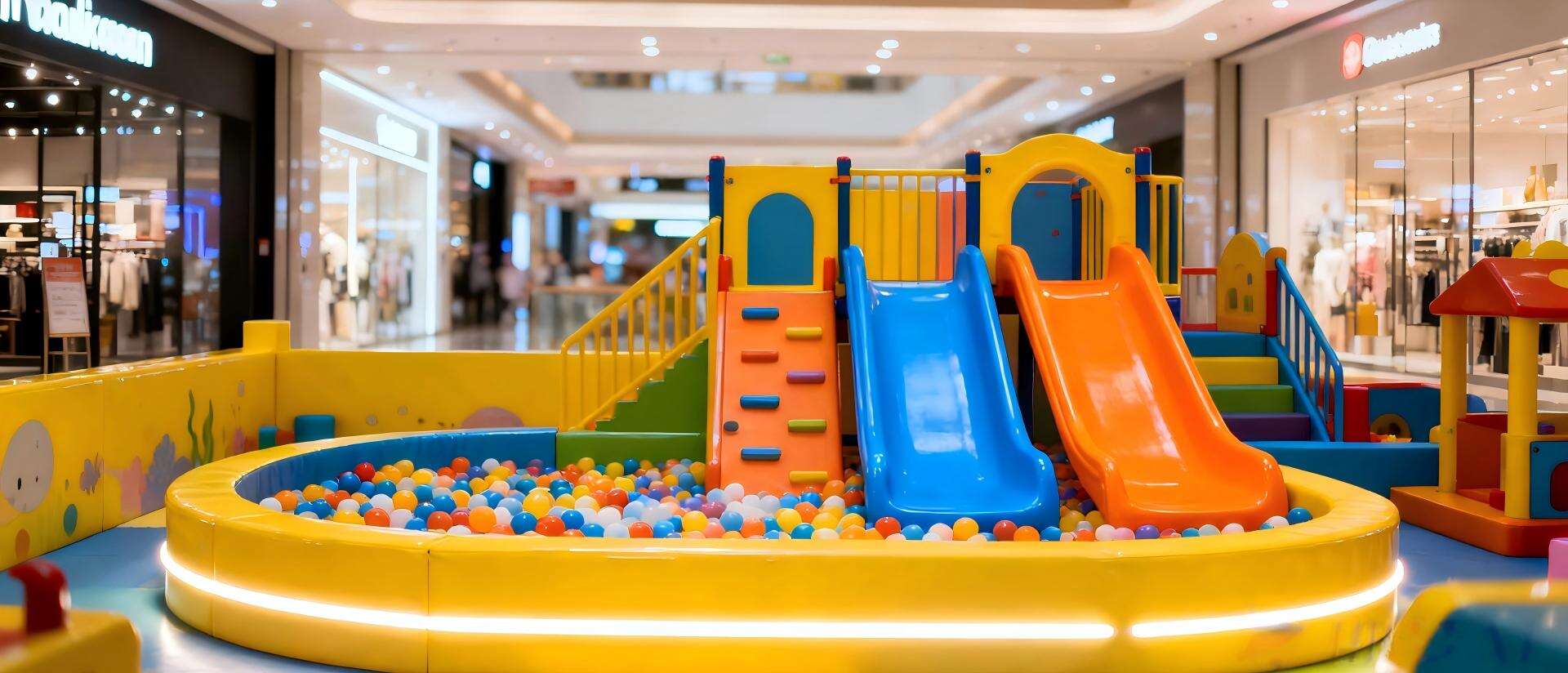
•Soft Play Areas: Padded structures, ball pits, slides, and climbing elements for younger children.
•Adventure Play Structures: Multi-level climbing frames, obstacle courses, and zip lines for older children and adolescents.
•Interactive Zones: Digital games, sensory play elements, and creative workshops.
The core definition of indoor playground equipment revolves around creating a themed, immersive play space through a combination of devices, emphasizing group interaction and scenario-based experiences. Key metrics for evaluating these spaces include Capacity (people/sqm), Traffic Congestion Rate (%), and Safety Accident Rate (ppm).
Phase 1: Defining Your Needs and Budget
Before engaging with suppliers, a clear understanding of your project's specific requirements is paramount.
1. Target Demographics and Theme
•Age Groups: Determine the primary age range your playground will serve (e.g., toddlers, 5-12 years, teens). This will dictate the type, scale, and complexity of equipment needed. For instance, equipment for toddlers will have different safety and design considerations than that for older children.
•Theme and Concept: A compelling theme enhances the immersive experience. Whether it's a jungle adventure, space exploration, or an underwater world, the theme should guide equipment selection and overall design. This also influences material choices and aesthetic appeal.
2. Space Analysis and Layout
•Available Footprint: Accurately measure the available space, including ceiling height, structural columns, and entry/exit points. This will determine the maximum size and configuration of your playground.
•Flow and Zoning: Plan for efficient customer flow, separating different age groups and activity levels to prevent collisions and ensure safety. Consider the Traffic Congestion Rate (%) to avoid bottlenecks in high-activity areas. A well-designed layout should aim for a congestion rate of <10% during peak hours.
•Ancillary Facilities: Account for space needed for seating, restrooms, party rooms, and food & beverage areas, as these complement the playground experience.
3. Budget Allocation
Develop a realistic budget that covers not only the initial purchase but also installation, shipping, certification, and long-term maintenance. A detailed Total Cost of Ownership (TCO) analysis is crucial here.
Phase 2: Compliance and Safety Standards
Safety is the single most critical factor in indoor playground equipment procurement. Non-compliance can lead to severe accidents, legal liabilities, and reputational damage. Adherence to international and national safety standards is non-negotiable.
1. Key International Standards
•ASTM F1487-21: Standard Consumer Safety Performance Specification for Playground Equipment for Public Use (USA) . This standard covers requirements for public playground equipment, including materials, structural integrity, entanglement, entrapment, and fall protection. It is a cornerstone for safety in the US market.
•EN 1176: Playground Equipment and Surfacing (Europe) . This series of European standards specifies general safety requirements and test methods for playground equipment and surfacing. It is widely recognized globally.
•GB 8408-2018: Safety Code for Amusement Rides and Devices (China) . This Chinese national standard provides comprehensive safety requirements for various amusement devices, including many types of indoor playground equipment.
•ISO 45001:2018: Occupational Health and Safety Management Systems . While not directly for equipment, this standard is vital for the overall safety management system of the facility, ensuring safe installation, operation, and maintenance practices.
2. Certification and Documentation
Demand comprehensive certification documents from suppliers, including:
•Product Certificates: Proof that the equipment meets relevant safety standards (e.g., CE Mark for Europe, ASTM compliance reports).
•Material Safety Data Sheets (MSDS): Especially for plastics, paints, and soft-fall materials, ensuring they are non-toxic and fire-retardant. The Material Environmental Compliance Rate (%) should be 100%.
•Installation Manuals and Maintenance Guides: Detailed instructions for proper assembly, inspection, and routine upkeep.
Phase 3: Supplier Evaluation and Selection
Choosing the right supplier is as important as selecting the right equipment. A thorough evaluation process is essential.
1. Supplier Qualification
•Experience and Reputation: Look for suppliers with a proven track record in manufacturing and installing indoor playground equipment. Check references and review their portfolio.
•Manufacturing Capabilities: Assess their production facilities, quality control processes, and adherence to international manufacturing standards (e.g., ISO 9001).
•Design and Customization: Can they offer bespoke designs that fit your theme and space requirements? Evaluate their design team's creativity and technical expertise.
•After-Sales Support: Inquire about warranty, spare parts availability, technical support, and maintenance services. A reliable supplier offers robust post-purchase support, minimizing Equipment Downtime (hours).
2. Total Cost of Ownership (TCO) Analysis
Beyond the initial purchase price, consider all costs associated with the equipment over its entire lifespan. This includes:
•Initial Purchase Cost: The price of the equipment itself.
•Shipping and Logistics: Transportation costs, customs duties, and import taxes.
•Installation Costs: Labor, equipment, and any necessary site modifications.
•Maintenance and Repairs: Routine servicing, spare parts, and potential repair costs over the equipment's lifespan. Aim for a Maintenance Cost Ratio (%) of <5% of the initial purchase cost annually.
•Energy Consumption: For equipment with electrical components, consider long-term energy costs.
•Insurance: Higher quality, safer equipment may lead to lower insurance premiums.
|
Evaluation Criteria
|
Supplier A
|
Supplier B
|
Supplier C
|
|
Initial Purchase Cost (USD)
|
150,000
|
165,000
|
140,000
|
|
Installation Cost (USD)
|
20,000
|
15,000
|
25,000
|
|
Estimated 5-Year Maintenance (USD)
|
30,000
|
24,750
|
42,000
|
|
Total Cost of Ownership (5-Year, USD)
|
200,000
|
204,750
|
207,000
|
|
Compliance Certifications
|
ASTM F1487, CE
|
ASTM F1487, EN 1176
|
GB 8408
|
|
Warranty Period (Years)
|
2
|
3
|
1
|
|
Customization Flexibility
|
High
|
Medium
|
Low
|

Phase 4: Procurement Process and Risk Control
Once a supplier is selected, the procurement process must be managed meticulously to mitigate risks and ensure successful delivery and installation.
1. Contract Negotiation
•Detailed Specifications: Ensure the contract includes precise equipment specifications, materials, dimensions, and finishes.
•Payment Terms: Negotiate favorable payment schedules tied to milestones (e.g., deposit, manufacturing completion, delivery, installation completion).
•Warranty and Guarantees: Clearly define warranty periods, what is covered, and the process for claims.
•Delivery and Installation Schedule: Establish clear timelines with penalties for delays.
•Compliance Clauses: Include clauses that mandate adherence to all agreed-upon safety standards and certifications.
2. Quality Control and Inspection
•Factory Acceptance Test (FAT): If possible, conduct an FAT at the supplier's factory to inspect the equipment before shipment.
•Site Acceptance Test (SAT): Perform a thorough SAT upon delivery and after installation to verify that the equipment meets all contractual specifications and safety requirements. This should include functional testing and visual inspection.
•Third-Party Inspection: Consider engaging an independent third-party inspector to verify quality and compliance at various stages.
3. Risk Management
•Logistics Risks: Plan for potential shipping delays, damage during transit, and customs issues. Ensure adequate insurance coverage.
•Installation Risks: Supervise the installation process closely to ensure it follows manufacturer guidelines and safety protocols. Verify that all safety surfacing is correctly installed and meets critical fall height requirements.
•Operational Risks: Develop comprehensive operational manuals, staff training programs, and emergency response plans before opening. Regularly review the Safety Accident Rate (ppm) and implement corrective actions as needed.
Conclusion
Procuring indoor playground equipment is a significant investment that requires a strategic, detail-oriented approach. By meticulously defining needs, prioritizing safety and compliance, conducting thorough supplier evaluations, and managing the procurement process with diligence, purchasing managers can secure high-quality, cost-effective equipment that delivers exceptional play experiences and robust returns. Adhering to international standards like ASTM F1487, EN 1176, and GB 8408, coupled with a comprehensive TCO analysis, will ensure that your indoor playground not only meets but exceeds expectations for safety, durability, and profitability. This guide serves as a roadmap for making informed decisions that will contribute to the long-term success of your entertainment venue.